

My Bag Program
The Night Alex Arrived
Alex was five years old when he arrived at his foster home in the middle of the night. He had been removed suddenly and came carrying a small bag. As his caregiver sat with him and began going through the items inside, Alex pulled out a toothbrush. He looked up and asked quietly, “Is this mine?” When she told him yes, he paused and then asked, “I don’t even have to share it?” For a child who had experienced instability and neglect, something as simple as his own toothbrush felt extraordinary.
That night, Alex tucked his bag under the bed beside him. In the days that followed, he would pull it out before going to sleep, check that his things were still there, and slide it back into place. The blanket from the bag stayed on his bed. The toothbrush sat by the sink, untouched by anyone else. In a world that had shifted without warning, that small bag represented something steady. It was proof that at least a few things were his, and they were not going to disappear.
In Spokane County, approximately 140 children enter the foster care system every month. That is nearly five children every day removed from their homes due to abuse, neglect, substance exposure, or serious safety concerns. Most of the children entering care are very young. More than 60% are under the age of nine, and our most vulnerable children, those ages zero to three, are the group most likely to experience a critical incident.
When removal happens, it is often sudden. Police arrive. Social workers intervene. Paramedics respond. Children leave in the middle of the night. Many leave with nothing but the clothes they are wearing, which may not be clean or weather appropriate. There is rarely time to gather belongings, and what little they do collect is often placed in a black garbage bag.
Dependency is the legal process that begins when a child is removed from their home for safety reasons. Once a child enters dependency, the court becomes involved and the child is placed in foster care, with relatives, or in another safe setting while a permanent plan is determined. In Spokane County, the average length of time a child remains in dependency is 18 to 24 months, though many cases last much longer.
For a child, entering dependency is not a temporary disruption. It changes where they live, who tucks them in at night, what school they attend, and often whether they remain with their siblings. The effects of abuse, neglect, and removal can shape their emotional, physical, and educational development for years.
Why We Do This
My Bag ensures that every child entering dependency has immediate access to essential items that belong only to them.
Each My Bag is thoughtfully assembled based on a child’s age and developmental needs, meeting them in the first hours of a life changing moment with items that provide immediate comfort and stability. While it cannot erase the trauma of removal, it restores dignity and a sense of ownership when everything else feels uncertain. The bag stays with the child as placements change, offering one small but meaningful constant during a season of instability.
What we Do
-
For our youngest children, the bag includes essentials such as diapers, wipes, footed pajamas, bottles, and a soft blanket. For a baby who may arrive late at night with nothing, these items allow a caregiver to feed, change, and soothe them immediately. A simple blanket or pacifier can become a source of comfort in an unfamiliar environment.
-
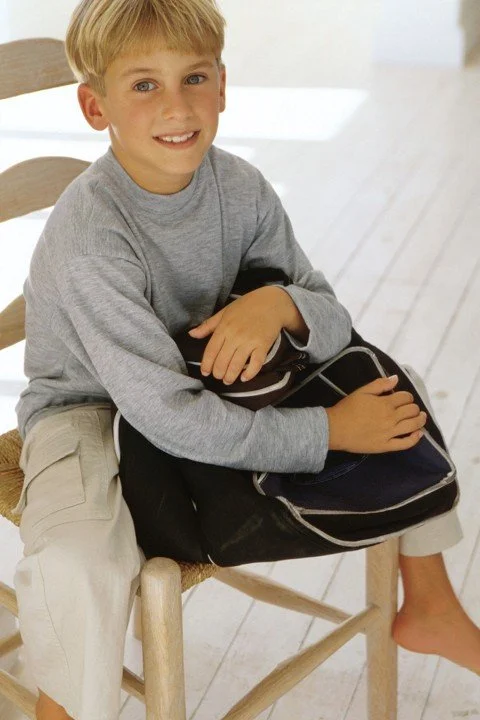
For school aged children, the bag includes clean clothes, underwear, pajamas, a toothbrush, a favorite type of book, and a small stuffed animal or comfort toy. At this age, routines and personal ownership matter deeply. A child who has experienced instability may cling to something as simple as their own toothbrush or a blanket that is theirs alone.
-
For teens, the bag focuses on dignity and independence. It may include age appropriate clothing, deodorant, body wash, hair care products, feminine hygiene products, and a journal or book. For a teenager who is acutely aware of their circumstances, having personal care items and clothes that fit properly can reduce embarrassment and help them walk into a new home or school with greater confidence.
We distribute approximately 250 My Bags each year, most frequently serving children from birth through age eight. Because emergency removals occur weekly in Spokane County, these bags are often delivered within hours of removal.
That kind of rapid response does not happen by accident. It happens because our community shows up.
CASA Partners is not a large paid organization. We are volunteer driven and community funded. For the My Bag program specifically, 100% of donated dollars go directly to children and supplies. The program is run entirely by volunteers, meaning every gift made to My Bag is put directly into the hands of a child in need. When someone gives, their support is put to work immediately and efficiently.
There is no large institutional warehouse behind this program. There are people. People like you.
Community members give financially or donate items such as diapers, blankets, books, and backpacks. Volunteers sort and stock supplies by age group and assemble each bag by hand so that when the call comes in, we are ready.
CASA Partners brings people together to respond in the first hours of a child’s most vulnerable moment.
How We Do It
How You Can Help
Sponsor a My Bag for $50 to $125 depending on age
Provide monetary support for emergency restocking
Donate new items such as pjs, diapers, wipes, blankets, backpacks, books, and hygiene products
Host a workplace or community donation drive
Volunteer to help assemble bags
Partner as a corporate sponsor to fund bulk purchases
Approximately 5 children enter care every day in Spokane County. With your help, each one can arrive with dignity and something that belongs to them.